
Embark on a thrilling journey through the best backpacking trips for nature lovers. Explore stunning landscapes, unique features, and captivating stories that will inspire your next outdoor adventure.
Discover the top destinations worldwide that offer an unforgettable experience for backpackers seeking the beauty of nature.
Best Backpacking Trips for Nature Lovers
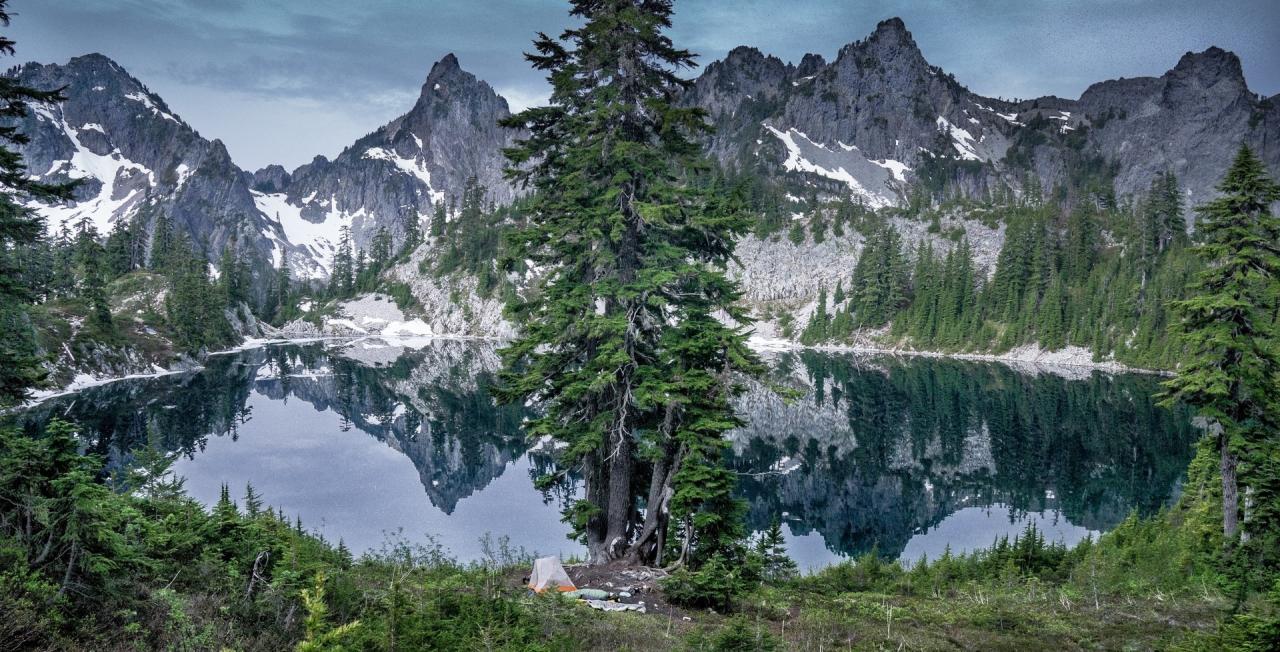
When it comes to backpacking trips for nature lovers, there are certain destinations around the world that stand out for their breathtaking natural beauty. These top 5 backpacking trips offer unique features that make them a must-visit for anyone who appreciates the wonders of the great outdoors.
1. Torres del Paine National Park, Chile
Torres del Paine National Park in Chile is known for its stunning granite peaks, glaciers, and crystal-clear lakes. Backpackers can explore the famous W Circuit, which takes you through some of the park’s most iconic landscapes, including the Grey Glacier and the towering Cuernos del Paine. The diverse wildlife, including guanacos and condors, adds to the allure of this pristine wilderness.
2. Appalachian Trail, USA
The iconic Appalachian Trail spans over 2,000 miles along the eastern United States, offering a diverse range of ecosystems and landscapes. From lush forests to rocky ridgelines, backpackers can experience the beauty of the Appalachian Mountains while immersing themselves in nature. The trail also passes through charming mountain towns, providing opportunities to rest and resupply along the way.
3. Inca Trail, Peru
The historic Inca Trail in Peru leads hikers through the Andes Mountains to the ancient ruins of Machu Picchu. This iconic trek offers breathtaking views of snow-capped peaks, cloud forests, and Incan archaeological sites. The journey culminates with a sunrise view of Machu Picchu, a UNESCO World Heritage Site that captivates visitors with its mysterious beauty.
4. The Overland Track, Australia
Tasmania’s Overland Track is a 40-mile trek through the pristine wilderness of Cradle Mountain-Lake St Clair National Park. Backpackers can marvel at rugged mountains, alpine meadows, and ancient rainforests as they traverse this remote and untouched landscape. The track also passes by stunning waterfalls and glacial lakes, providing ample opportunities for scenic exploration.
5. Annapurna Circuit, Nepal
The Annapurna Circuit in Nepal is a legendary trek that encircles the Annapurna Massif, offering unparalleled views of some of the world’s highest peaks. Backpackers can witness a dramatic change in landscapes, from lush lowland villages to arid high-altitude plateaus. The trek also provides a glimpse into the rich culture and hospitality of the local Gurung and Manang communities.Each of these backpacking trips offers a unique and unforgettable experience for nature lovers, showcasing the beauty and diversity of our planet’s natural wonders.
Must-Have Gear for Backpacking Trips
When preparing for a backpacking trip in nature, having the right gear is essential to ensure your safety, comfort, and overall enjoyment. Here is a detailed list of essential gear required for a successful backpacking trip:
Backpack
- Look for a backpack with a capacity that suits the length of your trip. Brands like Osprey, Gregory, and Deuter are known for their quality backpacks.
- Consider features like adjustable straps, padded hip belts, and multiple compartments for better organization.
- Ensure the backpack fits properly and distributes weight evenly to prevent strain on your back.
Tent
- Choose a lightweight and durable tent from reputable brands like MSR, Big Agnes, or REI.
- Consider the size of the tent based on the number of people sharing it and the weather conditions you may encounter.
- Look for features like waterproof materials, good ventilation, and easy setup to enhance your camping experience.
Sleeping Bag
- Invest in a high-quality sleeping bag from brands like Western Mountaineering, Marmot, or The North Face.
- Choose a sleeping bag with the appropriate temperature rating for the climate of your destination.
- Consider the weight and packability of the sleeping bag to minimize bulk in your backpack.
Cooking Gear
- Pack a lightweight stove, fuel, cookware, utensils, and food for your meals on the trail.
- Consider portable options like Jetboil, MSR, or Snow Peak for efficient cooking in the outdoors.
- Opt for dehydrated or lightweight food options to minimize weight in your pack.
Clothing and Footwear
- Bring appropriate clothing layers for varying weather conditions, including moisture-wicking base layers, insulating mid-layers, and waterproof outer layers.
- Choose sturdy and comfortable hiking boots or trail shoes from brands like Salomon, Merrell, or Keen.
- Don’t forget essentials like socks, hats, gloves, and sunglasses to protect yourself from the elements.
Other Essentials
- Include essentials like a first aid kit, navigation tools (map, compass, GPS), headlamp or flashlight, multi-tool, and emergency shelter.
- Pack sunscreen, insect repellent, water purification system, and a portable charger for electronic devices.
- Don’t forget to bring a lightweight pack cover or dry bags to protect your gear from rain and water during your trip.
Safety Precautions and Emergency Preparedness
When embarking on backpacking trips in remote natural areas, it is crucial to prioritize safety precautions and emergency preparedness to ensure a smooth and secure adventure.
Essential Safety Precautions
- Inform someone of your itinerary and expected return time before setting out on your backpacking trip.
- Closely monitor weather forecasts and be prepared for sudden changes in weather conditions.
- Carry a map, compass, or GPS device to avoid getting lost in unfamiliar terrains.
- Stay hydrated and well-nourished throughout your journey to maintain energy levels.
- Avoid hiking alone in remote areas and try to stick to established trails.
First Aid Supplies and Basic Medical Training
- Carry essential first aid supplies such as bandages, antiseptic wipes, pain relievers, and blister treatment.
- Learn basic medical training such as CPR and how to treat common outdoor injuries like sprains, cuts, and insect bites.
- Pack any personal medications you may need and ensure they are easily accessible in case of emergencies.
Dealing with Emergencies
- If you get lost, stay calm, try to retrace your steps, and use signaling devices like a whistle or mirror to attract attention.
- When encountering wildlife, maintain a safe distance, avoid sudden movements, and do not feed or approach them.
- In extreme weather conditions, seek shelter, stay dry, and keep warm to prevent hypothermia or heat-related illnesses.
Leave No Trace Principles
Practicing Leave No Trace principles while backpacking in nature is crucial to minimizing our impact on the environment and preserving it for future generations. By following these principles, we can ensure that the natural beauty of the wilderness remains intact for all to enjoy.
Plan Ahead and Prepare
- Research the area you will be backpacking in to understand the rules and regulations in place.
- Pack the necessary gear and supplies to minimize waste and be prepared for emergencies.
- Consider the group size and make sure to minimize your impact on the environment.
Travel and Camp on Durable Surfaces
- Stick to established trails and campsites to avoid damaging vegetation and wildlife habitats.
- Set up camp on durable surfaces like rock, gravel, or snow to prevent soil erosion.
- Avoid trampling on fragile vegetation and keep a safe distance from water sources.
Dispose of Waste Properly
- Pack out all trash, including food scraps, to keep the wilderness clean and wildlife safe.
- Bury human waste in a hole at least 6-8 inches deep and 200 feet away from water sources.
- Avoid using soap or washing dishes in natural water sources to prevent contamination.
Leave What You Find
- Avoid picking flowers, disturbing wildlife, or removing rocks and artifacts from their natural setting.
- Take only pictures and memories, leaving everything else as you found it for others to enjoy.
Be Considerate of Other Visitors
- Respect other hikers and campers by keeping noise levels down and giving them space.
- Share the trail and campsites, allowing others to enjoy the beauty of nature without feeling crowded.
Success Stories
By following Leave No Trace principles, hikers and backpackers have helped preserve delicate ecosystems, protect wildlife habitats, and maintain the natural beauty of our wilderness areas. These efforts ensure that future generations can continue to experience and appreciate the wonders of nature.
Planning Your Backpacking Trip
Planning a backpacking trip for nature lovers involves several key steps to ensure a safe and enjoyable experience. From choosing the right destination to mapping out your route, careful planning is essential for a successful adventure.
Choosing the Right Destination
When selecting a destination for your backpacking trip, consider factors such as the difficulty level of the terrain, weather conditions, and seasonal variations. Research different trails and choose one that aligns with your fitness level and preferences. Additionally, take into account the distance from your location, accessibility, and any permits required for the area.
Mapping Out Your Route
Once you have chosen a destination, it’s important to map out your route in detail. Consider the length of the trail, elevation gain, water sources, and camping spots along the way. Take note of any potential hazards or challenging sections that you may encounter and plan accordingly. Make sure to have a backup plan in case of unexpected changes in weather or trail conditions.
Estimating the Duration of the Trip
When planning your backpacking trip, it’s crucial to estimate the duration of the journey accurately. Consider your hiking pace, the difficulty of the trail, and the amount of time you plan to spend at each stop. Setting realistic goals and creating a detailed itinerary will help you stay on track and ensure a smooth and enjoyable adventure.
In conclusion, Best backpacking trips for nature lovers provide not only a chance to connect with the natural world but also an opportunity for unforgettable memories and experiences. Start planning your next adventure today and immerse yourself in the wonders of our planet.
Popular Questions
What are the best backpacking trips for nature lovers?
The top 5 backpacking trips known for their natural beauty are listed, each offering a unique experience for nature enthusiasts.
How can I pack efficiently for a backpacking trip?
Tips on efficient packing and minimizing backpack weight are shared to ensure you have all the necessary gear for a successful trip.
What safety precautions should I take while backpacking in remote areas?
A comprehensive guide on safety measures, first aid supplies, and handling emergencies is provided to ensure a safe and enjoyable journey.


