
Backpacking trips in Europe sets the stage for this enthralling narrative, offering readers a glimpse into a story that is rich in detail with casual formal language style and brimming with originality from the outset.
Embark on a journey through the diverse landscapes and cultures of Europe as we delve into the essentials of backpacking trips in this vibrant continent.
Overview of Backpacking in Europe
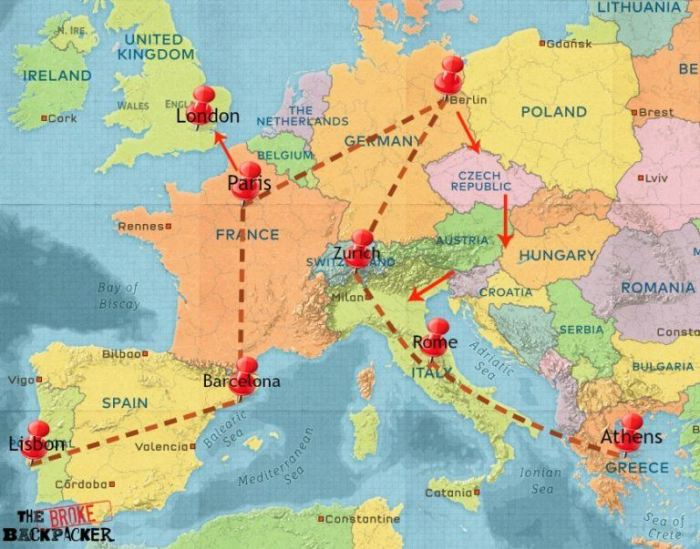
Backpacking in Europe is a popular and exciting way to explore the diverse cultures, landscapes, and history of the continent. It offers a unique opportunity to immerse yourself in the local lifestyle, interact with other travelers, and create unforgettable memories.
The appeal of backpacking trips in Europe lies in the freedom it provides to travel at your own pace, discover hidden gems off the beaten path, and experience a sense of adventure and spontaneity. Whether you are a solo traveler, a group of friends, or a couple seeking a romantic getaway, backpacking in Europe offers something for everyone.
Popular Destinations for Backpacking in Europe
- 1. Spain: From the vibrant streets of Barcelona to the stunning beaches of the Balearic Islands, Spain offers a mix of culture, history, and natural beauty.
- 2. Italy: Explore the ancient ruins of Rome, cruise along the scenic Amalfi Coast, or indulge in delicious pasta and gelato in Florence.
- 3. France: Discover the romantic streets of Paris, wander through the picturesque vineyards of Bordeaux, or relax on the sandy beaches of the French Riviera.
- 4. Greece: Immerse yourself in the rich history of Athens, island-hop through the Cyclades, or unwind on the pristine beaches of Crete.
- 5. Germany: Experience the vibrant nightlife of Berlin, explore the fairytale castles along the Romantic Road, or hike in the scenic Bavarian Alps.
Essential Gear for Backpacking Trips
When embarking on a backpacking trip in Europe, it is crucial to pack the right gear to ensure a comfortable and enjoyable journey. Here are some must-have items to consider:
Backpack
- A sturdy and durable backpack with adjustable straps and proper back support is essential for long trips. Look for a backpack with a capacity of 50-70 liters to fit all your necessities.
- Consider a backpack with multiple compartments for easy organization and access to your belongings.
- Opt for a backpack made of lightweight and water-resistant material to protect your gear from the elements.
Clothing
- Bring versatile clothing items that can be layered for changing weather conditions.
- Pack quick-drying and moisture-wicking fabrics to stay dry and comfortable on the go.
- Include a waterproof jacket, sturdy hiking boots, and a hat for sun protection.
Travel Accessories
- Carry a compact travel towel, toiletries kit, and a first aid kit for emergencies.
- Bring a portable charger for your electronic devices and a universal adapter for charging in different countries.
- Consider a lightweight sleeping bag and a travel pillow for a good night’s rest.
Other Essentials
- Don’t forget your travel documents, including passport, travel insurance, and any necessary visas.
- Carry a refillable water bottle to stay hydrated throughout your journey.
- Include a small backpack lock to secure your belongings when needed.
Budgeting and Money-Saving Tips
When planning a backpacking trip in Europe, it’s essential to have a solid budget in place to ensure you can make the most of your journey without breaking the bank. Here are some tips on how to budget for your trip and save money along the way.
Budgeting for Your Backpacking Trip
- Set a daily budget: Calculate how much you can afford to spend each day on accommodation, food, transportation, and activities. Stick to this budget to avoid overspending.
- Research costs: Look into the average prices of accommodation, meals, and attractions in the countries you plan to visit to get an idea of how much you’ll need.
- Consider a rail pass: If you’ll be traveling between multiple cities or countries, investing in a rail pass can save you money on transportation costs.
Money-Saving Tips While Traveling in Europe
- Cook your meals: Save money by preparing your meals using local ingredients or opting for budget-friendly street food instead of dining out every day.
- Use public transportation: Take advantage of public buses, trams, and metros to get around cities instead of relying on taxis or rideshare services.
- Look for free activities: Many European cities offer free walking tours, museum visits, and cultural events that can help you explore without spending a lot of money.
Affordable Accommodation Options for Backpackers
- Hostels: Stay in dormitory-style accommodations in hostels to save money on lodging. Many hostels offer private rooms as well for a bit more privacy.
- Airbnb: Consider renting a room or apartment through Airbnb for a more homey and affordable accommodation option, especially if you’re traveling in a group.
- Camping: If you enjoy the outdoors, camping can be a budget-friendly way to stay in Europe. Look for campsites near popular tourist destinations.
Safety Measures and Precautions
When embarking on a backpacking adventure in Europe, it’s crucial to prioritize safety to ensure a smooth and enjoyable trip. Here are some essential safety tips and precautions to keep in mind:
Common Scams and How to Avoid Them
- Be wary of pickpockets in crowded tourist areas and public transportation. Keep your belongings secure and avoid carrying large amounts of cash.
- Avoid engaging with individuals offering unsolicited help or trying to distract you. These could be tactics used in scams.
- Research common scams in the specific countries you plan to visit and familiarize yourself with them to stay vigilant.
- Use ATMs located inside banks or secure locations to avoid skimming devices that may compromise your card information.
Staying Safe While Traveling Alone
- Share your itinerary with a trusted friend or family member and check in regularly to keep them informed of your whereabouts.
- Stay in well-reviewed accommodations with good security measures in place, especially when traveling solo.
- Avoid walking alone at night in unfamiliar areas and opt for well-lit and populated paths when possible.
- Trust your instincts and be cautious when interacting with strangers, especially if you feel uncomfortable or pressured.
Transportation Options in Europe
When backpacking through Europe, it is essential to consider the various transportation options available to make the most out of your trip. From trains to buses, there are budget-friendly ways to travel between European cities, allowing you to explore more destinations without breaking the bank.
Comparing Modes of Transportation
- Trains: Trains are a popular mode of transportation in Europe, offering a convenient and efficient way to travel between cities. They provide scenic views and are often punctual, making them a reliable choice for backpackers.
- Buses: Buses are another cost-effective option for traveling around Europe. While they may take longer than trains, they are often cheaper and can be a good alternative for budget-conscious travelers.
- Flights: For longer distances, taking a flight between European cities can save time. However, budget airlines may have additional fees, so it’s essential to compare prices and consider the overall cost.
Benefits of Using a Eurail Pass
One popular option for backpackers exploring Europe is to use a Eurail pass. This pass allows unlimited travel on participating trains within a certain period, providing flexibility and convenience for travelers. It can be a cost-effective choice for those planning to visit multiple cities or countries during their trip.
Best Hiking Trails and Outdoor Activities
When backpacking in Europe, exploring the diverse landscapes and natural beauty through hiking trails and outdoor activities is a must. Here are some top recommendations to enhance your adventure:
Top Hiking Trails in Europe
- The Camino de Santiago in Spain: A historic pilgrimage route with stunning scenery and cultural experiences.
- The Tour du Mont Blanc in France, Italy, and Switzerland: A challenging yet rewarding trek around the highest peak in the Alps.
- The West Highland Way in Scotland: A picturesque trail through the Scottish Highlands offering breathtaking views.
Outdoor Activities for Adventurous Travelers
- Rock Climbing in the Dolomites, Italy: Test your skills on the iconic limestone peaks of the Dolomites.
- Kayaking in Norway’s Fjords: Paddle through the dramatic fjords of Norway for a unique perspective of the landscape.
- Cycling the Danube River Trail: Explore multiple countries as you bike along the scenic Danube River route.
Respecting Nature and Following Trail Guidelines
It’s essential to respect nature and follow trail guidelines to preserve the environment and ensure the safety of both hikers and wildlife. Always stay on designated paths, pack out all trash, and avoid disturbing plants and animals. By practicing Leave No Trace principles, you can help protect these beautiful outdoor spaces for future generations to enjoy.
Cultural Experiences and Local Cuisine
When backpacking in Europe, immersing yourself in the local culture can greatly enhance your travel experience. One of the best ways to do this is through exploring the diverse culinary offerings of each country and respecting local customs and traditions.
Authentic Culinary Experiences
Sampling authentic local cuisine is a must-do while backpacking in Europe. Each country offers a unique gastronomic experience that reflects its culture and history. Here are some recommendations:
- Italy: Indulge in traditional pasta dishes like carbonara, lasagna, and risotto. Don’t miss out on trying authentic pizza in Naples, the birthplace of this iconic dish.
- France: Treat yourself to classic French delicacies such as croissants, escargot, coq au vin, and ratatouille. Visit local markets to savor fresh cheeses, bread, and pastries.
- Spain: Enjoy tapas in Barcelona, paella in Valencia, and churros with chocolate in Madrid. Sample regional wines and explore the vibrant food scene in Spain.
Respecting Local Customs
It is essential to show respect for local customs and traditions while traveling in Europe. This can include simple gestures like learning basic greetings in the local language, following dress codes when visiting religious sites, and understanding dining etiquette:
Remember to greet locals with a smile and a polite “hello” or “good day” in their language. Be mindful of cultural norms around personal space, gestures, and table manners.
By embracing and respecting the customs of the places you visit, you not only show appreciation for the local culture but also contribute to positive interactions with the residents.
Environmental Sustainability and Responsible Travel
Backpacking in Europe can have a significant impact on the environment, from waste generation to carbon emissions. It is essential for travelers to be mindful of their actions and adopt sustainable travel practices to minimize their ecological footprint.
Ways to Minimize Environmental Impact
- Avoid single-use plastics and opt for reusable water bottles and utensils.
- Dispose of waste properly and recycle whenever possible.
- Choose eco-friendly accommodation options that prioritize sustainability.
- Use public transportation or walk instead of relying on cars or planes.
- Support local businesses and communities to promote sustainable tourism.
Practicing Sustainable Travel Habits
- Offset your carbon footprint by supporting carbon offset programs or choosing eco-friendly transportation options.
- Respect wildlife and natural habitats by observing from a distance and not disturbing the environment.
- Conserve water and energy by taking shorter showers and turning off lights when not in use.
- Learn about the local culture and environment to better understand how to minimize your impact.
Organizations Promoting Responsible Tourism
- The International Ecotourism Society (TIES) works to promote responsible travel practices and sustainable tourism initiatives.
- The Global Sustainable Tourism Council (GSTC) sets standards for sustainable travel and certifies businesses that meet these criteria.
- Local initiatives in Europe, such as the Leave No Trace program, aim to educate travelers on minimizing their impact on the environment.
Personal Growth and Reflection
Embarking on backpacking trips in Europe is not just about exploring new places; it also offers a unique opportunity for personal growth and self-reflection. The challenges faced, the people met, and the experiences gained along the way contribute to a transformative journey that goes beyond the physical aspect of travel.
Transformative Effects of Solo Backpacking
Solo backpacking in Europe can be a life-changing experience, pushing individuals out of their comfort zones and allowing for personal growth in ways they never imagined. The independence gained from navigating unfamiliar territories, making decisions on the go, and embracing solitude can lead to increased self-confidence, resilience, and adaptability.
Lessons Learned and Skills Gained
Through backpacking adventures in Europe, individuals often learn valuable lessons about themselves, others, and the world around them. The ability to problem-solve in unpredictable situations, communicate across language barriers, and connect with people from diverse backgrounds are just a few of the skills that can be honed through travel. Additionally, the resilience developed from overcoming challenges on the road can be applied to various aspects of life beyond the trip.
Backpacking Tips
When embarking on your first backpacking trip to Europe, it’s essential to be well-prepared and adaptable to make the most of your adventure. Here are some general tips to keep in mind:
Staying Organized
- Make a packing list and stick to it to avoid overpacking.
- Invest in a quality backpack that fits comfortably and is suitable for long hikes.
- Use packing cubes or compression bags to organize your clothes and maximize space.
- Keep important documents like your passport and travel insurance in a secure, easily accessible place.
Adapting to Challenges
- Expect the unexpected and be prepared for changes in weather, transportation delays, or accommodation issues.
- Stay flexible with your itinerary and be open to spontaneous detours or new experiences.
- Learn to embrace discomfort as part of the journey and focus on the rewards of overcoming challenges.
- Stay positive and maintain a sense of humor when faced with unexpected obstacles.
Importance of Flexibility
- Flexibility allows you to take advantage of last-minute opportunities and adjust to unforeseen circumstances.
- Be open-minded to trying new foods, activities, and interactions with locals to enrich your travel experience.
- Embrace the unknown and be willing to step out of your comfort zone to fully immerse yourself in the culture and environment.
- Remember that the journey is just as important as the destination, so enjoy the ride and make the most of every moment.
As we conclude our exploration of backpacking trips in Europe, we hope this guide has inspired you to plan your own adventure and embrace the enriching experiences that await.
Answers to Common Questions
What are the visa requirements for backpacking in Europe?
Most European countries are part of the Schengen Area, allowing travelers to visit multiple countries with a single visa. However, it’s essential to check specific visa requirements for each country you plan to visit.
Is travel insurance necessary for backpacking trips in Europe?
Travel insurance is highly recommended for backpacking trips to Europe to cover unexpected medical expenses, trip cancellations, or lost belongings. It provides peace of mind during your travels.
How can I stay connected to the internet while backpacking in Europe?
You can stay connected by purchasing a local SIM card, using pocket Wi-Fi devices, or relying on free Wi-Fi available in cafes, hostels, and public spaces across European cities.
What are the best ways to meet other travelers during backpacking trips in Europe?
Hostels, social media travel groups, guided tours, and local events are great ways to connect with fellow travelers and exchange experiences while backpacking through Europe.
How can I maintain a budget-friendly approach to dining while backpacking in Europe?
Opt for local markets, street food vendors, and budget-friendly restaurants to experience authentic cuisine without overspending. Embracing the local food scene can be both delicious and economical.


