
Embark on your solo backpacking journey with confidence by learning the crucial safety measures for a secure and enjoyable experience. From navigating the wilderness to handling emergencies, this guide covers everything you need to know to stay safe while backpacking alone.
Discover the key essentials that will help you make the most of your adventure while prioritizing your safety at every step of the way.
Backpacking Safety Tips
When backpacking alone, it is crucial to prioritize safety to ensure a smooth and enjoyable journey. Here are some essential safety tips to consider:
Essential Safety Gear
- Pack a reliable first aid kit with essential supplies such as bandages, antiseptic wipes, pain relievers, and any personal medications.
- Carry a headlamp or flashlight with extra batteries for emergencies or navigating in the dark.
- Include a multi-tool or knife for various tasks like cutting cords or preparing food.
- Bring a whistle to signal for help in case of emergencies.
Creating a Detailed Itinerary
Before embarking on your backpacking trip, make sure to create a detailed itinerary that includes your planned route, daily schedule, and emergency contacts. It is essential to share this itinerary with a trusted individual who can keep track of your progress and be alerted in case of any delays or issues.
Knowing Basic First Aid and Emergency Procedures
- Take a basic first aid course to equip yourself with essential skills in managing common injuries and emergencies.
- Familiarize yourself with emergency procedures such as CPR, treating wounds, and handling outdoor-specific incidents like animal encounters or hypothermia.
- Carry a guidebook or manual with step-by-step instructions on first aid and emergency protocols for quick reference.
Wilderness Navigation
When backpacking alone in the wilderness, it is crucial to have a good understanding of navigation to ensure your safety and success on the trail. This involves reading maps, using a compass effectively, identifying landmarks, and staying on marked trails.
Reading a Map and Using a Compass
- Begin by orienting the map to match the direction you are facing. Use a compass to determine the direction and align the map accordingly.
- Pay attention to contour lines on the map to understand the terrain and elevation changes you may encounter.
- Use the compass to navigate in the desired direction, taking into account obstacles such as rivers or mountains.
- Regularly check your map and compass to ensure you are on the right track and adjust your course if needed.
Identifying Landmarks and Navigating without Technology
- Look for natural landmarks such as mountains, rivers, or unique rock formations to help guide your way.
- Use your surroundings, such as the position of the sun or the stars, to determine direction if you do not have access to technology.
- Pay attention to the flora and fauna around you, as they can also serve as indicators of your location on the trail.
Staying on Marked Trails and Being Aware of Surroundings
- Always stick to marked trails to avoid getting lost or wandering off into dangerous terrain.
- Be mindful of trail markers, signs, and any changes in the landscape that could indicate you are veering off course.
- Stay aware of your surroundings at all times, listening for sounds of wildlife, familiarizing yourself with the trail ahead, and being prepared for any unexpected challenges.
Campsite Safety
When backpacking alone, ensuring your campsite is safe and secure is crucial for a successful trip. Here are some tips to help you select a safe campsite, set up camp to minimize risks, and practice fire safety and proper food storage to prevent attracting wildlife.
Selecting a Safe Campsite
When choosing a campsite, look for a flat, level area away from cliffs, falling rocks, or potential hazards. Avoid camping near dead trees that could fall and cause injury. Make sure the site is at least 200 feet away from water sources to minimize the risk of contamination and flooding.
Setting Up Camp Safely
- Place your tent on high ground to avoid potential flooding during rain.
- Keep your campsite clean and organized to prevent tripping hazards and make it easier to spot wildlife.
- Store all food and scented items in bear-resistant containers or hang them from a tree branch at least 10 feet off the ground and 4 feet away from the trunk.
- Dispose of waste properly in designated areas or by using a “Leave No Trace” approach.
Fire Safety and Food Storage
- Always check for fire restrictions in the area and use a designated fire ring or stove for cooking to prevent wildfires.
- Keep a bucket of water or a fire extinguisher nearby and never leave a fire unattended.
- Store food in sealed containers to prevent attracting animals, and avoid cooking or eating in or near your tent to keep wildlife away.
Emergency Preparedness
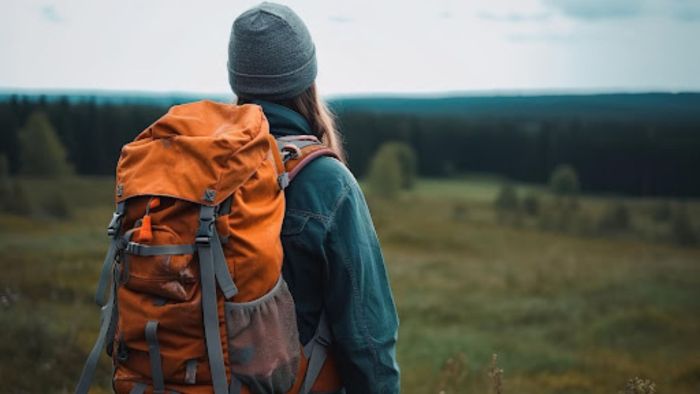
Preparing for unexpected situations while backpacking alone is crucial to ensure your safety in the wilderness. Being equipped with the right knowledge and tools can make a significant difference in emergencies.
Navigation and Communication
- Always carry a map, compass, and GPS device to navigate your way in case you get lost. Familiarize yourself with the area before heading out.
- Learn how to use signaling devices such as whistles, mirrors, and signal fires to attract attention in case of an emergency.
- Have an emergency communication device like a satellite phone or personal locator beacon (PLB) to call for help if needed.
Encountering Wildlife
- Research the wildlife in the area you’ll be backpacking in and understand how to react when encountering animals.
- Carry bear spray or other deterrents if you’ll be in bear or cougar territory. Know how to use them effectively.
- If you come across wildlife, remain calm, make yourself appear larger, and back away slowly without turning your back on the animal.
Staying Calm and Making Rational Decisions
- Practice mindfulness and deep breathing techniques to help you stay calm in stressful situations.
- Take a moment to assess the situation before making any decisions. Panicking can lead to poor choices that may worsen the emergency.
- Remember to prioritize your safety above all else. Stay focused on finding a solution and remain rational throughout the ordeal.
Solo Hiking Precautions
When embarking on a solo hike, it is crucial to take certain precautions to ensure your safety and well-being throughout the journey. By following these tips, you can minimize risks and enjoy a more secure hiking experience.
Importance of Pacing Yourself
- Avoid overexertion by setting a comfortable pace that matches your fitness level and the terrain.
- Take regular breaks to rest, hydrate, and refuel to maintain your energy levels.
- Listen to your body and recognize signs of fatigue or dehydration to prevent accidents.
Recognizing and Avoiding Potential Dangers
- Stay alert and aware of your surroundings to identify potential hazards like slippery rocks, unstable terrain, or inclement weather.
- Research the trail beforehand and be prepared for any wildlife encounters by carrying bear spray or other deterrents.
- Trust your instincts and avoid risky situations by choosing safer routes or turning back if necessary.
Managing Mental and Emotional Challenges
- Practice mindfulness and focus on the present moment to alleviate feelings of loneliness or anxiety during solo hikes.
- Bring along a journal or music to boost morale and maintain a positive mindset throughout the journey.
- Stay connected with loved ones through regular check-ins or sharing your itinerary to ease concerns and feel supported while hiking alone.
BACKPACKING TIPS
When it comes to backpacking, choosing the right gear and packing efficiently can make a significant difference in your overall experience. Here are some tips to help you have a successful backpacking trip.
Choosing the Right Backpack Size and Weight Distribution
- Make sure to select a backpack that fits your torso length and hip size comfortably to prevent strain on your back and shoulders.
- Distribute the weight evenly in your pack, placing heavy items closer to your back and lighter items towards the outside to maintain balance.
- Consider the capacity of the backpack based on the length of your trip and the gear you need to carry.
Packing Light and Essential Items
- Avoid overpacking by only bringing essential items that are versatile and necessary for your trip.
- Opt for lightweight gear and clothing to reduce the overall weight of your backpack.
- Plan your meals and snacks ahead of time to pack lightweight, high-energy foods for sustenance on the trail.
Proper Hydration, Nutrition, and Rest
- Stay hydrated by carrying an adequate amount of water and considering a water filtration system for refills along the way.
- Consume nutritious snacks and meals to keep your energy levels up during long hikes.
- Allow yourself time to rest and recover throughout the day to prevent exhaustion and injuries.
BACKPACKING TRIPS
Planning a backpacking trip as a solo traveler can be an exhilarating and rewarding experience. However, it is crucial to choose the right destination, conduct thorough research, and plan ahead to ensure a safe and enjoyable journey.When selecting a backpacking trip destination, consider places that offer a balance of adventure, natural beauty, and safety for solo travelers. Some exciting backpacking trip destinations for solo travelers include the Appalachian Trail in the United States, the Camino de Santiago in Spain, and the Annapurna Circuit in Nepal.Researching and planning ahead are key components of a successful backpacking trip.
Before embarking on your journey, make sure to research the local weather conditions, terrain difficulty, and wildlife encounters you may face. Additionally, familiarize yourself with the rules and regulations of the area you will be visiting to ensure a smooth and hassle-free experience.Budgeting for a backpacking trip involves careful consideration of expenses such as transportation, accommodation, food, gear, and permits.
Look for budget-friendly transportation options like buses, trains, or rideshares, and consider staying in hostels, campgrounds, or budget accommodations to save money. Planning your meals in advance and investing in quality gear that will last throughout your trip can also help you stick to your budget and enjoy your backpacking adventure to the fullest.Remember to prioritize safety and preparedness during your backpacking trip by packing essential items like a first aid kit, navigation tools, extra food and water, and emergency contacts.
By researching, planning ahead, and budgeting wisely, you can set yourself up for a successful and unforgettable solo backpacking experience.
As you gear up for your next backpacking expedition, remember that being prepared is the key to a successful trip. By following the safety tips and strategies Artikeld here, you can head out into the wild with peace of mind and confidence in your ability to stay safe while backpacking alone.
FAQ Guide
What should I do if I encounter dangerous wildlife while backpacking alone?
Stay calm, back away slowly, and avoid making sudden movements. Make yourself appear larger by raising your arms and making loud noises to deter the animal.
Is it necessary to carry a whistle for signaling in case of emergencies?
Yes, a whistle is a lightweight and effective tool for signaling for help over long distances. It’s essential to include it in your emergency kit.
How can I ensure my campsite is secure from wildlife intrusions?
Store all food and scented items in bear-proof containers or hang them high in a tree away from your sleeping area. Avoid cooking near your tent and keep a clean campsite to minimize attracting animals.
What are some mental strategies to overcome loneliness while backpacking alone?
Engage in activities like journaling, photography, or listening to music to keep yourself occupied. Stay connected with loved ones through occasional phone calls or messages to combat feelings of isolation.


