
Backpacking tips for first-time travelers sets the stage for this enthralling narrative, offering readers a glimpse into a story that is rich in detail with casual formal language style and brimming with originality from the outset.
Embarking on a backpacking journey as a first-time traveler can be both exhilarating and daunting. This guide aims to equip you with the essential knowledge and tips to ensure a memorable and safe adventure.
Introduction to Backpacking
Backpacking is a form of travel where individuals explore different destinations with all their essentials packed into a backpack, offering flexibility and freedom in their journey. It is a popular choice among first-time travelers due to its unique appeal and benefits over traditional travel methods.
Appeal and Benefits of Backpacking
Backpacking appeals to many adventurers as it allows for a more immersive and authentic travel experience. By carrying everything they need on their backs, travelers have the freedom to change plans on a whim, explore off-the-beaten-path locations, and truly connect with the local culture.
- Cost-effective: Backpacking is often more budget-friendly compared to traditional travel methods as it eliminates the need for expensive accommodations and transportation.
- Flexibility: With all their belongings in one backpack, travelers can easily adapt to changing circumstances and make spontaneous decisions during their journey.
- Connection with nature: Backpacking often involves outdoor adventures like hiking and camping, allowing travelers to immerse themselves in nature and appreciate the beauty of the environment.
- Cultural immersion: By staying in hostels or homestays and interacting with locals, backpackers have the opportunity to gain a deeper understanding of the destination’s culture and way of life.
Popularity of Backpacking
Backpacking has gained popularity in recent years among adventurers seeking authentic and meaningful travel experiences. The sense of independence, adventure, and discovery that backpacking offers appeals to those looking to step out of their comfort zone and explore the world on their own terms.
Essential Backpacking Gear
When preparing for your first backpacking trip, having the right gear is crucial to ensuring a safe and enjoyable experience. Quality gear can make a significant difference in your comfort, convenience, and overall enjoyment during your journey. Here is a list of must-have items for first-time backpackers and tips on choosing the right backpack for your trip.
Must-Have Items for First-Time Backpackers
- Backpack: A durable and comfortable backpack with proper support and capacity for your trip duration.
- Tent: Lightweight and weather-resistant tent for shelter during camping nights.
- Sleeping Bag: Compact and warm sleeping bag suitable for the expected weather conditions.
- Water Bottle: Reusable water bottle to stay hydrated on the trail.
- Hiking Boots: Sturdy and comfortable hiking boots for long walks on various terrains.
- Navigation Tools: Map, compass, or GPS device to help you find your way on the trail.
- First Aid Kit: Basic first aid supplies for treating minor injuries and ailments.
- Headlamp or Flashlight: Essential for nighttime visibility and navigating in the dark.
- Food and Snacks: Lightweight and nutritious food items for energy during the trip.
- Clothing Layers: Moisture-wicking clothing for layering and adapting to changing weather conditions.
Choosing the Right Backpack
When selecting a backpack for your trip, consider the following factors:
- Trip Duration: Choose a backpack with an appropriate capacity to accommodate your gear for the length of your journey.
- Fit and Comfort: Ensure the backpack fits your body comfortably and has adjustable straps for a customized fit.
- Features: Look for features like multiple compartments, padded straps, hip belt, and ventilation for added comfort.
- Weight Distribution: Proper weight distribution is crucial to prevent strain on your back and shoulders during long hikes.
- Water Resistance: Opt for a backpack with water-resistant materials or rain cover to protect your gear from moisture.
Packing Tips for Backpacking
When it comes to backpacking, efficient packing is essential to ensure a smooth and enjoyable trip. By maximizing space and weight distribution, you can lighten your load and make the journey more manageable. Here are some tips to help you pack smart for your backpacking adventure.
Pack Light and Essentials Only
- Avoid overpacking by sticking to the essentials. Choose versatile clothing items that can be mixed and matched.
- Opt for lightweight gear and travel-sized toiletries to minimize weight.
- Consider the climate and activities you’ll be doing to pack accordingly, but remember to keep it minimal.
Organize Your Backpack for Easy Access
- Use packing cubes or stuff sacks to keep your belongings organized and easily accessible.
- Place frequently used items like snacks, water bottle, map, and sunscreen in outer pockets or on top for quick access.
- Distribute weight evenly in your backpack to avoid strain on your back and shoulders. Heavier items should be closer to your back.
Safety Precautions and Health Tips
When embarking on a backpacking trip, it is crucial to prioritize safety and health to ensure a smooth and enjoyable journey. By taking necessary precautions and following some essential tips, you can minimize risks and stay well throughout your adventure.
Common Safety Risks and Mitigation
- Stay alert and aware of your surroundings to avoid theft or scams.
- Carry a whistle or personal alarm for emergencies in remote areas.
- Inform someone of your itinerary and check in regularly, especially when traveling alone.
- Research the local laws, customs, and potential dangers of your destination.
- Carry a basic first aid kit and know how to use it in case of minor injuries.
Importance of Travel Insurance and Emergency Contacts
- Invest in comprehensive travel insurance that covers medical emergencies, trip cancellations, and lost belongings.
- Keep a list of emergency contacts, including local authorities, embassy or consulate, and family members.
- Store copies of important documents like passport, insurance policy, and contact information in a secure location.
Health Tips for Extended Backpacking Trips
- Stay hydrated by carrying a reusable water bottle and refilling it regularly.
- Pack nutritious snacks to maintain energy levels during long treks.
- Protect yourself from the sun with sunscreen, sunglasses, and a hat to prevent sunburn and heat exhaustion.
- Practice good hygiene by washing hands frequently and carrying hand sanitizer.
- Get sufficient rest and sleep to recharge your body and prevent fatigue.
Budgeting and Money-Saving Tips
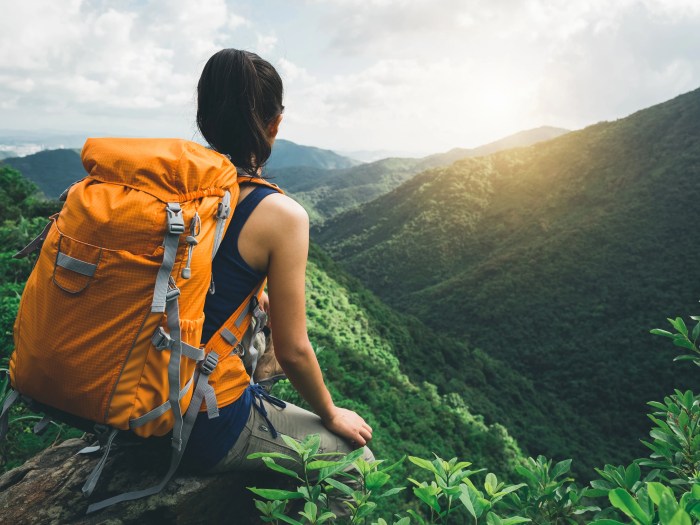
When backpacking, managing your expenses and sticking to a budget is crucial to ensure a smooth and enjoyable trip without breaking the bank. Here are some strategies and tips to help you save money while on the road.
Finding Affordable Accommodation
When it comes to finding affordable accommodation while backpacking, consider options such as hostels, guesthouses, or budget hotels. Booking in advance or using websites and apps that offer discounts can help you secure a good deal. Additionally, consider staying in dormitory-style rooms or opting for shared accommodations to save on costs.
Transportation Options
To save money on transportation, consider using public transportation like buses, trains, or budget airlines instead of taxis or rental cars. Look for discounted travel passes or consider options like overnight buses or trains to save on accommodation costs as well. Carpooling or ridesharing with fellow travelers can also be a cost-effective way to get around.
Saving on Food and Activities
When it comes to food, opt for local eateries or street food stalls to experience authentic cuisine at a lower cost. Consider cooking your meals occasionally if you have access to a kitchen in your accommodation. Look for free or low-cost activities such as hiking, exploring local markets, or visiting public parks to enjoy your destination without spending a lot.
Be on the lookout for discounts, coupons, or deals on attractions or tours to make the most of your travel budget.
Navigation and Route Planning
Planning your backpacking route is crucial to ensure a safe and enjoyable trip. Consider factors like terrain, weather conditions, and the difficulty level of the trail to make the most out of your journey.
Importance of Navigation Tools
When embarking on a backpacking trip, having the right navigation tools can make all the difference. Maps, GPS devices, and compasses are essential for staying on track and avoiding getting lost in unfamiliar territory. Make sure to familiarize yourself with how to use these tools before setting out on your adventure.
Staying on Track and Adjusting Your Route
Even with careful planning, unexpected circumstances may arise during your backpacking trip. Stay flexible and be prepared to adjust your route if needed. Keep an eye on landmarks, trail markers, and natural features to ensure you’re heading in the right direction. If you veer off course, don’t hesitate to refer back to your maps and navigation tools to get back on track.
Social and Cultural Etiquette
Respecting local customs and cultures is crucial while backpacking as it shows your appreciation for the community you are visiting. It also helps you connect with locals and fellow travelers in a more meaningful way. Here are some tips on how to navigate social and cultural etiquette during your backpacking trip.
Interacting with Locals and Fellow Travelers
- Always greet people with a smile and a friendly attitude.
- Learn a few basic phrases in the local language to show respect.
- Ask for permission before taking photos of locals or their property.
- Be open-minded and curious about the local culture, and ask questions respectfully.
- Avoid sensitive topics such as politics and religion unless invited to discuss them.
Immersing Yourself in the Local Culture
- Try the local cuisine and participate in traditional activities.
- Respect local dress codes and customs, especially in religious sites.
- Attend cultural events or festivals to experience the local traditions firsthand.
- Support local businesses and artisans by purchasing souvenirs directly from them.
- Be mindful of your behavior and adapt to the local norms to show your appreciation for the culture.
BACKPACKING TIPS
When embarking on a backpacking trip, it is essential to be well-prepared and informed. Here are some valuable tips to ensure a smooth and enjoyable journey.
Personal Anecdote from a Backpacking Trip
During my backpacking trip through Southeast Asia, I encountered unexpected challenges that tested my resilience and adaptability. From navigating language barriers to dealing with sudden weather changes, each experience taught me valuable lessons about patience and resourcefulness.
Detailed Itinerary from a Memorable Backpacking Adventure
Day 1: Arrive in Bangkok, Thailand and explore the bustling marketsDay 2-4: Trek through the jungles of Chiang Mai and stay with a local tribeDay 5-7: Relax on the beaches of Krabi and enjoy the crystal-clear watersDay 8-10: Visit the ancient temples of Angkor Wat in CambodiaDay 11-14: Explore the vibrant streets of Ho Chi Minh City in Vietnam
Impact of Backpacking Trips on Personal Growth
Backpacking trips have a profound impact on personal growth and mindset. The challenges faced during these adventures help build resilience, independence, and cultural awareness. By stepping out of our comfort zones and immersing ourselves in new environments, we gain a deeper understanding of the world and our place in it.
As you wrap up your backpacking tips for first-time travelers journey, remember that each step taken, each experience gained, adds to the tapestry of your travel narrative. May your future adventures be filled with discovery, growth, and unforgettable moments.
FAQ Compilation
What should I prioritize when choosing a backpack for my first trip?
Focus on comfort, durability, and proper fit to ensure your backpack can carry all essentials comfortably.
Is it necessary to get travel insurance for a backpacking trip?
Yes, travel insurance provides crucial protection in case of emergencies, medical issues, or trip cancellations. It’s a wise investment for peace of mind.
How can I respect local customs and cultures while backpacking?
Research local customs beforehand, observe and follow local practices, and engage respectfully with locals to show appreciation for their culture.


