
Embark on your cold weather backpacking journey with these essential tips that will keep you warm and prepared for the elements. From choosing the right clothing to tackling the challenges of low temperatures, this guide has you covered.
Whether you’re a seasoned backpacker or new to the game, this comprehensive overview will ensure you’re equipped with the knowledge needed to make the most of your cold weather adventures.
BACKPACKING TIPS FOR COLD WEATHER
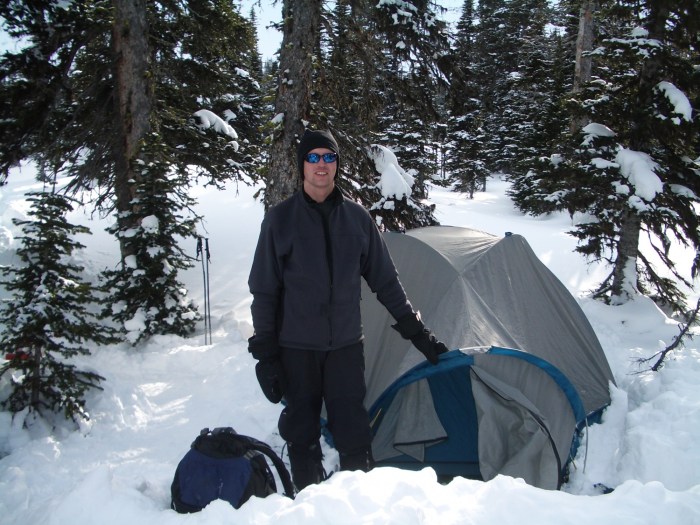
When embarking on a backpacking trip in cold weather, it is crucial to pack the right clothing to ensure comfort and safety throughout the journey. Here are some essential clothing items to consider for cold weather backpacking:
Essential Clothing Items for Cold Weather Backpacking
- Insulated jacket: Opt for a down or synthetic insulated jacket to provide warmth without adding bulk to your backpack.
- Base layers: Moisture-wicking base layers are essential to keep your skin dry and regulate body temperature.
- Warm hat and gloves: Protect your extremities from frostbite by packing a warm hat and gloves.
- Thermal socks: Keep your feet warm and dry with thermal socks made of materials like merino wool.
- Waterproof pants and jacket: Stay dry in wet and snowy conditions by wearing waterproof pants and a jacket.
Staying Warm Techniques
In addition to packing the right clothing, there are techniques you can employ to stay warm while backpacking in cold conditions. Some tips include:
- Stay hydrated: Drink warm beverages and eat high-calorie snacks to maintain your body temperature.
- Keep moving: Regular movement helps generate body heat, so take breaks to do some light exercises or stretches.
- Use hand warmers: Pack disposable hand warmers to keep your hands warm in freezing temperatures.
Importance of Layering Clothing
Layering clothing is key to staying warm and comfortable in cold weather backpacking trips. By wearing multiple layers, you can easily adjust your body temperature as needed. Remember the layering system: base layer for moisture-wicking, mid-layer for insulation, and outer layer for protection against wind and water.
Choosing the Right Sleeping Bag and Tent
When camping in cold weather, selecting the right sleeping bag and tent is essential for a good night’s sleep. Look for a sleeping bag with a temperature rating lower than the expected nighttime temperatures. Additionally, choose a tent that is sturdy, well-insulated, and properly ventilated to prevent condensation buildup.
BACKPACKING TRIPS IN COLD WEATHER
When it comes to backpacking trips in cold weather, there are unique challenges and rewards that come with exploring the outdoors during the winter months. From top destinations to overcoming obstacles, here’s a guide to making the most of your winter backpacking adventures.
Top Destinations for Cold Weather Backpacking Trips
When planning a cold weather backpacking trip, consider destinations known for their winter beauty and accessibility. Some top destinations include:
- Rocky Mountain National Park, Colorado
- Yosemite National Park, California
- Adirondack Park, New York
- Yellowstone National Park, Wyoming
Differences Between Summer and Winter Backpacking Trips
Winter backpacking trips present unique challenges compared to summer adventures. Some key differences include:
- Cold temperatures and snow-covered trails
- Shorter daylight hours
- Increased risk of hypothermia and frostbite
- Need for specialized gear like snowshoes and insulated clothing
Challenges of Backpacking in Cold Weather and How to Overcome Them
Backpacking in cold weather can be physically demanding and mentally challenging. To overcome these obstacles, consider:
- Proper layering of clothing to stay warm and dry
- Packing high-energy snacks and warm beverages
- Setting up camp before dark to avoid exposure to extreme cold
- Keeping a positive mindset and being prepared for unexpected weather changes
Benefits of Backpacking in Cold Weather
While cold weather backpacking comes with its challenges, there are also unique benefits to exploring the outdoors in winter. Some advantages include:
- Less crowded trails and campsites
- Breathtaking winter landscapes and snowy scenery
- Opportunities for wildlife sightings and bird watching
- A sense of accomplishment and resilience from overcoming winter obstacles
As you wrap up your cold weather backpacking trip, remember these valuable tips for your next outdoor excursion. Stay warm, stay safe, and embrace the beauty of nature in its winter wonderland.
FAQs
What are the best clothing items for cold weather backpacking?
Layering is key – pack thermal base layers, insulating mid-layers, and a waterproof outer shell.
How do I choose the right sleeping bag for cold weather camping?
Look for a sleeping bag with a temperature rating lower than the lowest temperature you expect to encounter.
What are the benefits of backpacking in cold weather?
Crowd-free trails, stunning winter landscapes, and a unique outdoor experience await those who venture out in the cold.


